
First-Time Buyer Regrets in Park City: What to Know Before Buying
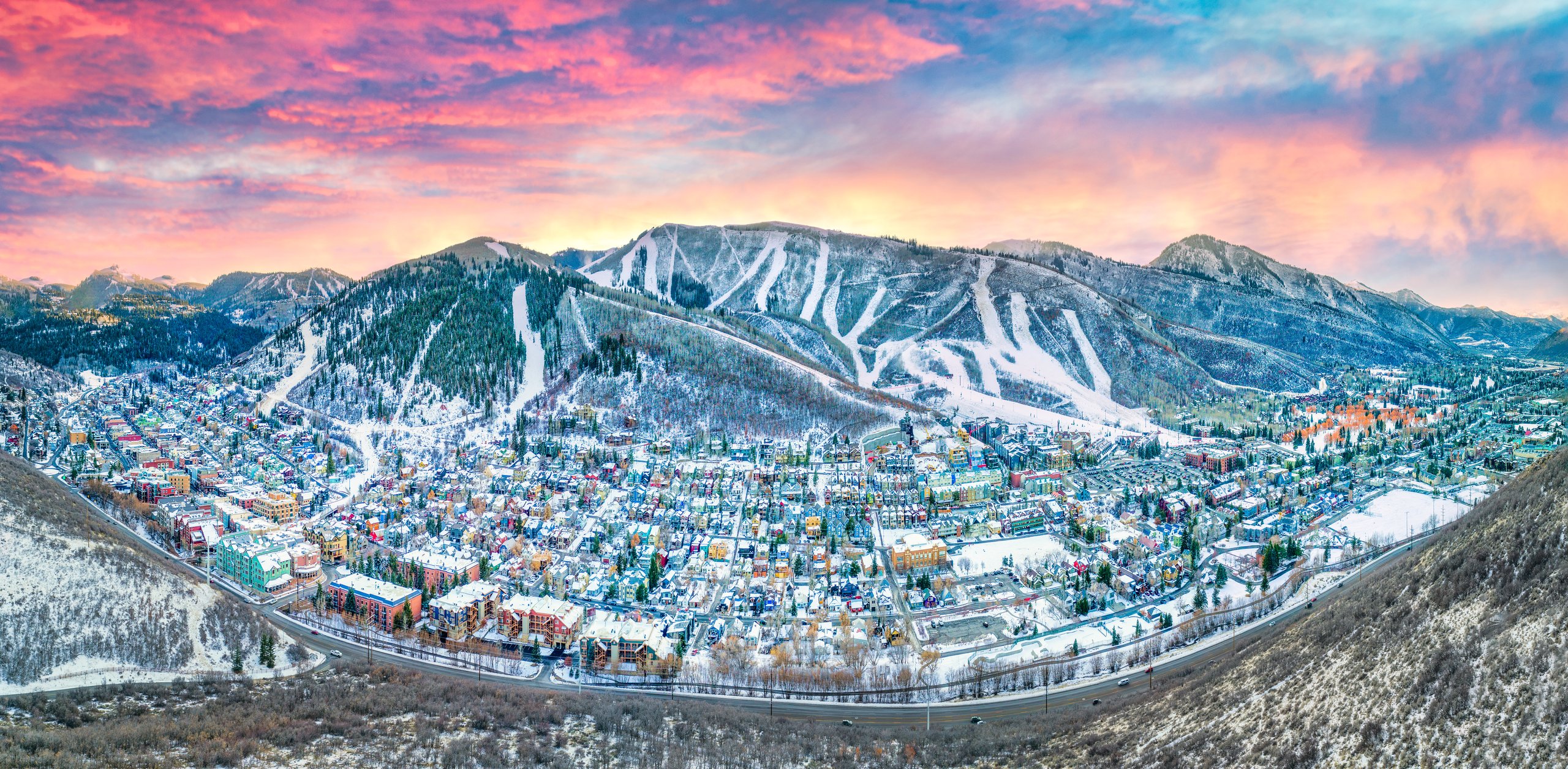
Park City's market moves differently than most. Two major ski resorts, a historic Main Street district, and a buyer pool that includes second-home owners and short-term rental investors all shape how properties are priced, governed, and used. First-time buyers who treat it like a conventional residential market often hit surprises that feel obvious in hindsight.
HOA fees catch people off guard more than almost anything else. Resort communities and planned developments across Park City commonly carry HOA structures, but the fees and rules vary widely by community and property type. A buyer who budgets for a mortgage without factoring in monthly HOA costs can find the math shifts significantly at closing. Before falling in love with a unit, request the full HOA financials and CC&Rs, not just the monthly figure.
Short-term rental eligibility is another point where assumptions get expensive. STR regulations vary by zone within Summit County and Park City municipal limits: some areas permit rentals with licensing, others restrict or prohibit them outright. Rules have changed before and may change again. Buyers who plan to offset carrying costs through platforms like Airbnb or VRBO need to verify current STR status directly with local authorities before closing, not after.
Then there is the gap between how a neighborhood looks in July and how it functions in February. Mountain neighborhood roads in Park City can require AWD or 4WD vehicles when snowfall is significant, and I-80 and SR-224 conditions affect the commute to Salt Lake City roughly 30 miles west. Touring a property once in summer tells only part of the story. If possible, visit during ski season to see what access, parking, and daily logistics actually look like.
- Request full HOA documents, not just the monthly fee, before making an offer.
- Confirm STR zoning and licensing requirements directly with Summit County or Park City municipal offices.
- Visit mountain neighborhoods in winter to assess road conditions and access routes.
- Account for seasonal market swings: activity peaks around ski season and summer recreation months, with quieter shoulder seasons in spring and fall.
- Consult local counsel on how Utah state law may interact with STR licensing and property tax designations.
Park City rewards buyers who do the homework specific to a resort market. Buyers often ask about exactly these questions before making an offer. Reach out to Zipper Posting Test to start a conversation about what to look for before making an offer.
Ready to find your dream home in Park City? Contact Zipper Posting Test today to get started!
Frequently Asked Questions
What are typical HOA fees in Park City, and how much should I budget?
HOA fees and rules vary widely by community and property type across Park City's resort communities and planned developments, so there's no single typical figure. Request the full HOA financials and CC&Rs (Covenants, Conditions & Restrictions) from the seller's agent before making an offer—don't rely on the monthly fee alone. The financials will show whether special assessments are planned, reserve funding levels, and what services and amenities are included.
Can I rent out my Park City property on Airbnb or VRBO?
Short-term rental eligibility depends on your property's zone within Summit County and Park City municipal limits. Some areas permit STRs with licensing; others restrict or prohibit them outright. Rules have changed before and may change again, so verify current STR status directly with Summit County or Park City municipal offices before closing—not after. If offsetting carrying costs through short-term rentals is part of your plan, this step is essential.
What should I expect from Park City winters if I'm buying a mountain neighborhood property?
Mountain neighborhood roads in Park City can require AWD or 4WD vehicles when snowfall is significant, and I-80 and SR-224 conditions affect commutes to Salt Lake City, roughly 30 miles west. Park City roads are actively maintained during winter, but conditions vary by elevation and location. If possible, visit the property during ski season to see what access, parking, and daily logistics actually look like—touring in summer tells only part of the story.
When is the best time to buy in Park City?
Market activity tends to peak around ski season (winter) and summer recreation months, with reduced transaction volume during shoulder seasons in spring and fall. Buying during a quieter season may offer less competition, but inventory is typically lower. The 'best' time depends on your personal timeline and market conditions; a local buyer's agent can help assess current inventory and pricing trends.
Do I need to consult a lawyer about short-term rental rules and taxes?
Yes. Utah state law may interact with local STR licensing and property tax designations in ways that affect your ownership structure and tax liability. Consult local counsel before closing to understand how state and local regulations apply to your specific property and investment goals.
What makes Park City's real estate market different from other places?
Park City's market includes two major ski resorts, a historic Main Street district, and a buyer pool that mixes primary residents, second-home owners, and short-term rental investors. HOA structures are common, STR regulations are zone-specific and subject to change, and seasonal swings in activity are pronounced. Treating it like a conventional residential market often leads to surprises—the resort and investment dynamics shape pricing, governance, and property use in ways that differ from typical markets.
What documents should I review before making an offer on a Park City property?
Request the full HOA financials and CC&Rs (not just the monthly fee), current STR zoning and licensing status from local authorities, and any special assessment notices or reserve studies. If the property is in a mountain neighborhood, ask about winter road maintenance and access requirements. These documents reveal costs and restrictions that can significantly affect your ownership experience and resale value.
How do seasonal market swings affect buying strategy in Park City?
Activity peaks around ski season (winter) and summer recreation months, with quieter shoulder seasons in spring and fall. Fewer transactions during shoulder seasons may mean less competition for the right property, but inventory is also lower. Understanding these patterns helps set realistic expectations for how quickly a property may sell and what comparable sales data looks like at different times of year.